%20--%3e%3csvg%20version='1.1'%20id='Laag_1'%20xmlns='http://www.w3.org/2000/svg'%20xmlns:xlink='http://www.w3.org/1999/xlink'%20x='0px'%20y='0px'%20viewBox='0%200%2085.04%2028.35'%20style='enable-background:new%200%200%2085.04%2028.35;'%20xml:space='preserve'%3e%3cstyle%20type='text/css'%3e%20.st0{fill:%23171816;}%20%3c/style%3e%3cg%3e%3cpolygon%20class='st0'%20points='6,7.07%206,10.09%206,13.1%206,16.12%206,19.14%206,22.16%209.02,22.16%2016.57,22.16%2016.57,19.14%209.02,19.14%209.02,16.12%2015.06,16.12%2015.06,13.1%209.02,13.1%209.02,10.09%2016.57,10.09%2016.57,7.07%209.02,7.07%20'/%3e%3cpolygon%20class='st0'%20points='31.66,7.07%2027.13,7.07%2027.13,10.09%2031.66,10.09%2031.66,22.16%2034.67,22.16%2034.67,10.09%2039.2,10.09%2039.2,7.07%2034.67,7.07%20'/%3e%3crect%20x='75.42'%20y='19.14'%20class='st0'%20width='3.02'%20height='3.02'/%3e%3cpath%20class='st0'%20d='M57.31,7.07c-4.17,0-7.55,3.38-7.55,7.55c0,4.17,3.38,7.55,7.55,7.55c1.54,0,2.97-0.46,4.16-1.25l1.25,1.25%20l2.13-2.13l-1.25-1.25c0.79-1.19,1.25-2.62,1.25-4.16C64.86,10.45,61.48,7.07,57.31,7.07z%20M57.31,19.14c-2.5,0-4.53-2.03-4.53-4.53%20s2.03-4.53,4.53-4.53s4.53,2.03,4.53,4.53c0,0.7-0.16,1.36-0.44,1.95l-1.95-1.95l-2.13,2.13l1.95,1.95%20C58.67,18.98,58.01,19.14,57.31,19.14z'/%3e%3c/g%3e%3c/svg%3e)
Own brand · Premium footwear · Shopify
How ETQ Amsterdam runs on Optivate OS
Revenue, returns, content, pricing, stock and marketing in one system. ETQ is our own brand, and we work in it every day. This is what we see, and what we do with it.
- Industry
- Premium footwear
- Use
- Daily, whole system
- Languages
- 12
- Translations live since
- Q2 2026
Key results
Key results
- 30 sec
- Per product, all 12 languages at once
- Was: 15 min per product
- 12 languages
- The whole store, no translation agency
- From ~100 to ~3 hours per catalog
- €150–250k
- Extra margin a year from round prices
- ETQ and TOV combined, total per year
Seven parts, one system
- 01OverviewThe daily briefing, then what needs doing today.
- 02InsightsLast year's peaks, into the plan.
- 03Content & translationThe whole store in 12 languages, in its own tone of voice.
- 04International pricingRound prices per currency and market.
- 05ReturnsWhy products come back, and what we do about it.
- 06StockWhat to order and by when, per location.
- 07MarketingReal results per country, down to profit.
01 · Overview
Revenue first. Then what needs doing today.
The first thing we see when we open Optivate OS is the daily briefing, written overnight by Optivate AI: how yesterday went, where the growth came from and the next step. Below it the suggested actions from the AI analysis, with what they're worth, and the To do list: what needs attention now, with a button to the place where you sort it out.
One morning a loafer with a 40% return rate was at the top. The return reasons showed customers found the color different from what they expected. The advice: better, color-accurate photos and more detail shots. We did that: the loafer went from 40% to 25% returns. That saves money directly, and the customer gets what they saw in the photo.
Below that the board, which you arrange yourself: results and P&L, contribution margin, where the growth came from by country, ads from Meta and Google, customers and returns.
Read the full case: the loafer from 40% to 25% returns02 · Insights
What worked last year goes into the plan.
The system analyzes historical data. Last year we saw peaks in October and November. Black Friday is the obvious one, but there were also peaks on October 24 and 26.
You link actions and insights to a peak like that: what we did then, what sold, which items, in which countries. That goes into the marketing plan for the next campaigns.
03 · Content & translation
The whole store in 12 languages. Per language, what's right and what's missing.
This is where it started at ETQ. Claude translates all English content into 12 languages, with ETQ's tone of voice in the prompt. Products, but equally collections, pages, blogs, menus, theme copy and FAQ.
For each language we see the status: are all translations right, what's still missing? Norwegian isn't finished yet. That's correct: we haven't focused on it yet.
Content & translation · Translate and publish
One click: translated into every selected language.
We see which items are translated and which new items are still drafts. One click translates an item into every selected language. You check it, then publish.
The system pushes straight to Shopify Translate & Adapt, including metafields, materials and premium features.
Content & translation · Outdated
Source changed, translation left behind? You see it right away.
Every change to the English source used to restart the whole loop by hand. Now the system checks Shopify every night and shows what's new, what changed and which languages need redoing as a result.
Outdated translations stand out too. If the source was enriched or changed and the translation fell behind, the system spots it. For example because the translation is suddenly much shorter than the current source.
Content & translation · Shared attributes
A material description used on 30 products? Translated once.
Words, texts and blocks that recur on many products are translated once. Then they're reused everywhere, in all 12 languages, on every product that uses them. That saves a huge number of product translations.
A change to the source follows automatically.
Content & translation · Sections
Product, store pages, website copy and SEO.
Everything a visitor reads, in every language, in the brand's own tone of voice. One system covers the complete storefront.
Product content
Titles, descriptions, metafields and metaobjects.
Store pages
Collections, landing pages, Shopify blogs and articles.
Website copy
Banners, USP copy, microcopy, menus, filters, theme templates and store settings: every standalone string Shopify exposes.
SEO
SEO meta title and description per language, and even URL handles, slugified per language.
Shared content
Materials, premium features and reusable blocks: translated once, applied everywhere.
Legal & FAQ
Terms, policies and FAQs, separate from the catalog.
Content & translation · Management and quality
See what's right, what's wrong and what's missing.
Source next to translation, field by field. The system flags where something needs attention, for example a term that's identical to the source and may have been left untranslated.
A person approves before anything goes live. One click and on to the next, or a whole language in bulk.
Content & translation · Activity and exclusions
See exactly what was done, and by whom.
The activity log shows every change in the system: who translated, approved or rejected something. So you see what went wrong, and what went well.
What shouldn't be translated, you exclude: a product, a shared attribute or anything else.
Content & translation · Prompts and tone of voice
No generic translations. ETQ's voice in 12 languages.
You start with a brand profile with global rules. At ETQ the tone is minimalist, premium and timeless. You choose short or longer sentences, and set which words stay untranslated, at ETQ including the collection names.
Per language you add pitfalls and the form of address, and test it right away on real text. With AI you get through this fairly quickly. Set it up once, and the base is there.
Content & translation · Time and cost
No agency, no freelancers. From ~100 hours to ~3.
Products, website copy and shared content in 12 languages, without an agency or freelancers. Translating a product takes 30 seconds instead of 15 minutes: for 400+ products, from ~100 to ~3 hours per catalog, and those hours go into checking and approving.
With Optivate, AI costs are part of the monthly price. No credits, no separate account, no translation invoice per word.
Read how translation works04 · International pricing
Prices that look local, with a direct effect on EBITDA.
For our own brands this feeds straight through at EBITDA level. More margin per order, and it helps conversion: the brand looks native in every country, with a price that looks local instead of converted. At ETQ and TOV combined, €150,000 to €250,000 extra margin a year.
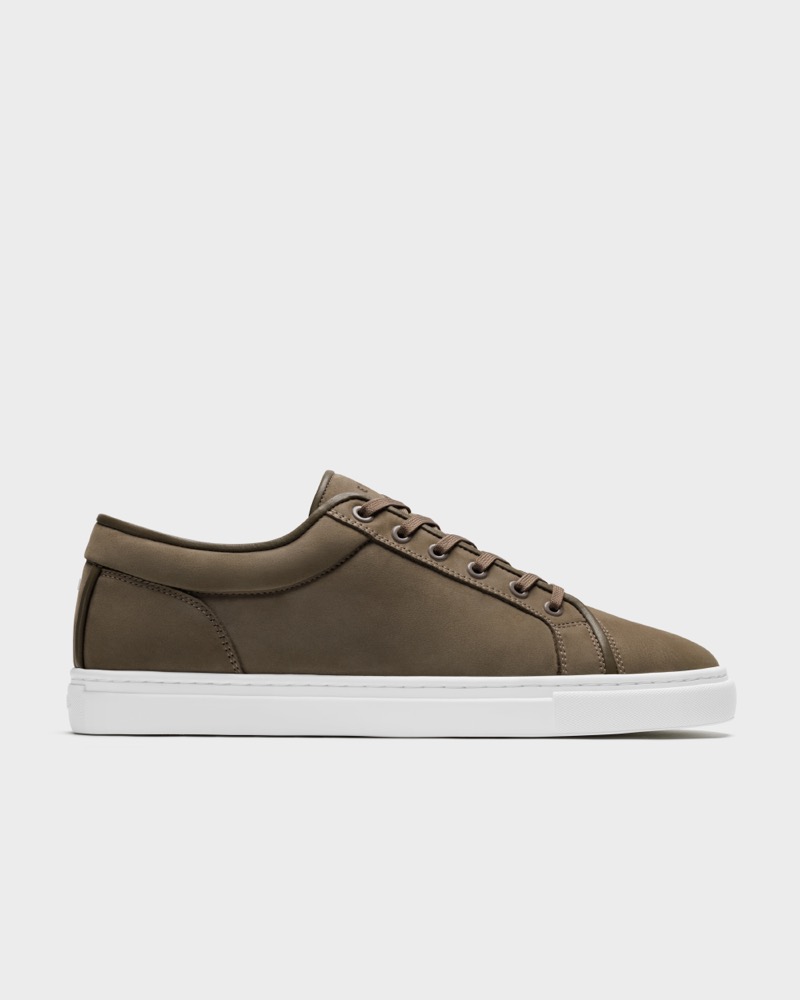
An example. The LT 01 costs €249 in the Netherlands. In the UK we ask £249, about €293 converted. Shopify converts at the plain exchange rate and would land on £211.63: €43.97 less per order. Shopify can round to whole amounts, but that's where its logic stops.
We do the same in every foreign currency. In Denmark Shopify would show 1,861.88 kr; we ask 1,999 kr.
For that we set one rule per country: in every country we keep 15% more than in the Netherlands. Optivate adds the VAT and the exchange rate, rounds, and shows which prices are off. We simulate first, then push to Shopify.
Read the full case: round prices per marketThis is how it looks at ETQ
- etq-amsterdam.com/nl
Netherlands · EUR
ETQ
LT 01 Essence Nubuck Desert Taupe
€249
Base price in euros
- etq-amsterdam.com/en-gb
United Kingdom · GBP
ETQ
LT 01 Essence Nubuck Desert Taupe
£249instead of
£211.63Round, not converted
- etq-amsterdam.com/da
Denmark · DKK
ETQ
LT 01 Essence Nubuck Desert Taupe
1,999 krinstead of
1,861.88 krRound, not converted
| Market | Converted by Shopify | Round price at ETQ | In euros | Extra per order | % more |
|---|---|---|---|---|---|
| Netherlands · EUR | – | €249 | €249 | base | – |
| United Kingdom · GBP | £211.63 | £249 | €292.97 | +€43.97 | +17.7% |
| Denmark · DKK | 1,861.88 kr | 1,999 kr | €267.34 | +€18.34 | +7.4% |
- United Kingdom · GBP
- £249 = €292.97; converted it was £211.63
- +€43.97 per order+17.7%
- Denmark · DKK
- 1,999 kr = €267.34; converted it was 1,861.88 kr
- +€18.34 per order+7.4%
Set per market: ending in 9, 49 or 99, or rounded to whole tens. You simulate first, then push the prices to Shopify.
And Shopify's own rounding? It turns £211.63 into a tidy amount around £212. Still the converted price, not the price that fits the UK.
It differs per product. Averaged over our orders in those markets, it is 5–6%.
05 · Returns
Not just that a product comes back. Also why.
Returns sit in Customer service, connected to Returnista: the return rate over time, the return value, the processing time and the reasons per product.
In Product knowledge each product shows what stands out, such as the ‘Runs small’ tile, with the reviews and a short summary. For our product team that's the difference: not just knowing that a product is returned a lot, but why, and what we do about it.
Read the case: from 40% to 25% returns06 · Stock
What to order, and the latest date to do it.
Every product gets a status: Reorder, At risk, Overdue, Sold out, Healthy or Overstock. For each product it shows what to order, and by when at the latest. ‘Sizes out’ shows which sizes are gone and how much revenue that costs a week.
We see open purchase orders from Prediko alongside; we download the order list from the AI analysis and send it to the supplier ourselves. We see stock per location: our brands use several locations, including one in the UK. When one warehouse has too much and another too little, Optivate suggests a transfer.
What it delivers: we sell out less often, less cash is tied up in stock, and we miss less revenue. An ad running on a product that's sold out loses its momentum; ordering in time keeps those campaigns going.
Read how reordering works07 · Marketing
See per country what marketing really earns.
The marketing module grew out of how we steer our own marketing. You see total marketing spend and revenue, new customers and the cost per new customer (NC-CPA).
What sets it apart: NC-CPA by country. Other tools often don't have it, or only in pricier plans. We'd rather steer on total ratios and real business results than on what Meta reports about itself.
Per country we see real revenue, spend, cost per new customer, margin and ultimately profit. That's how we decide, country by country: continue, optimize or scale.
Read how profit by country worksWhat it delivers
Less manual work, more margin, and every morning we know where to step in.
Content: 400+ products × 15 min by hand ≈ 100 hours per catalog. With the system 30 sec per product ≈ 3 hours, for the complete storefront in 12 languages, without a translation agency. Pricing: round prices per market, at ETQ and TOV combined €150,000 to €250,000 extra margin a year. The rest is in decisions we make sooner and on better grounds, about returns, purchasing and budget per country.
From ~100 hours to ~3 hours
400+ products in 12 languages. Manually 15 min per product, with the system 30 sec.
No agency, no freelancers
Products, website copy and shared content in 12 languages. With Optivate, AI costs are part of the monthly price.
Round prices, more margin
The LT 01 costs £249 in the UK, not the converted £211.63. At ETQ and TOV combined, €150,000 to €250,000 extra margin a year.
Every approval counts
What reviewers approve goes into the translation memory; fixed terms sit in the glossary. So the same correction doesn't have to be made twice.
Returns with a reason
Not just that a product often comes back, but why. With an action attached, like better photos for a loafer: from 40% to 25% returns.
Decide per country
Revenue, spend, cost per new customer, margin and profit by country. That's how we choose per market: continue, optimize or scale.
The problem back then
What didn't scale before.
ETQ sells internationally. It wasn't just 400+ products that needed to be multilingual, but the entire storefront: collections, pages, blogs, menus, theme copy and FAQ. All by hand or through agencies into 12 target languages, and every source change kicked off the same loop again.
The tone of voice slipped along the way. And content shared across dozens of places, materials, features, reusable blocks, was retranslated every single time. That's where we started; the rest of the system came after.
How it started: content first
Roadmap
Not a multi-year project. Prove it first, then scale.
- Week 1
Analysis
400+ products mapped, 12 target languages confirmed, every metafield inventoried.
Architecture and scope locked in.
- Weeks 2–5
Build
Dashboard built, prompt engineering with brand examples, Shopify integration, review flow.
Working system, ready for the first batch.
- Week 6
Live
First batch of products in production.
Reviewers work inside the system, translations go live.
“It used to take weeks to launch a product because we were waiting for translations. Now that happens in a morning. My team can focus on the markets themselves, not the logistics around them.”
 Arjan SpakmanETQ Amsterdam
What we built for ETQ is now part of Optivate OS.
What do you want to see first every morning?
At ETQ it's the daily briefing, with the To do list below it: from returns and content to pricing, stock and marketing by country. What is your team still doing by hand that a system could take over?
Brands that work with us





More cases
Read on.


Own brand · Shopify · new market
€1M+
revenue in Denmark, within the first year
A new market, and a million within the first year.
Optivate took over the translations, in TOV's own tone of voice, with round prices in kroner instead of converted amounts. Within the first year after: over €1 million in revenue in Denmark.
- Content & translation
- Pricing & margin
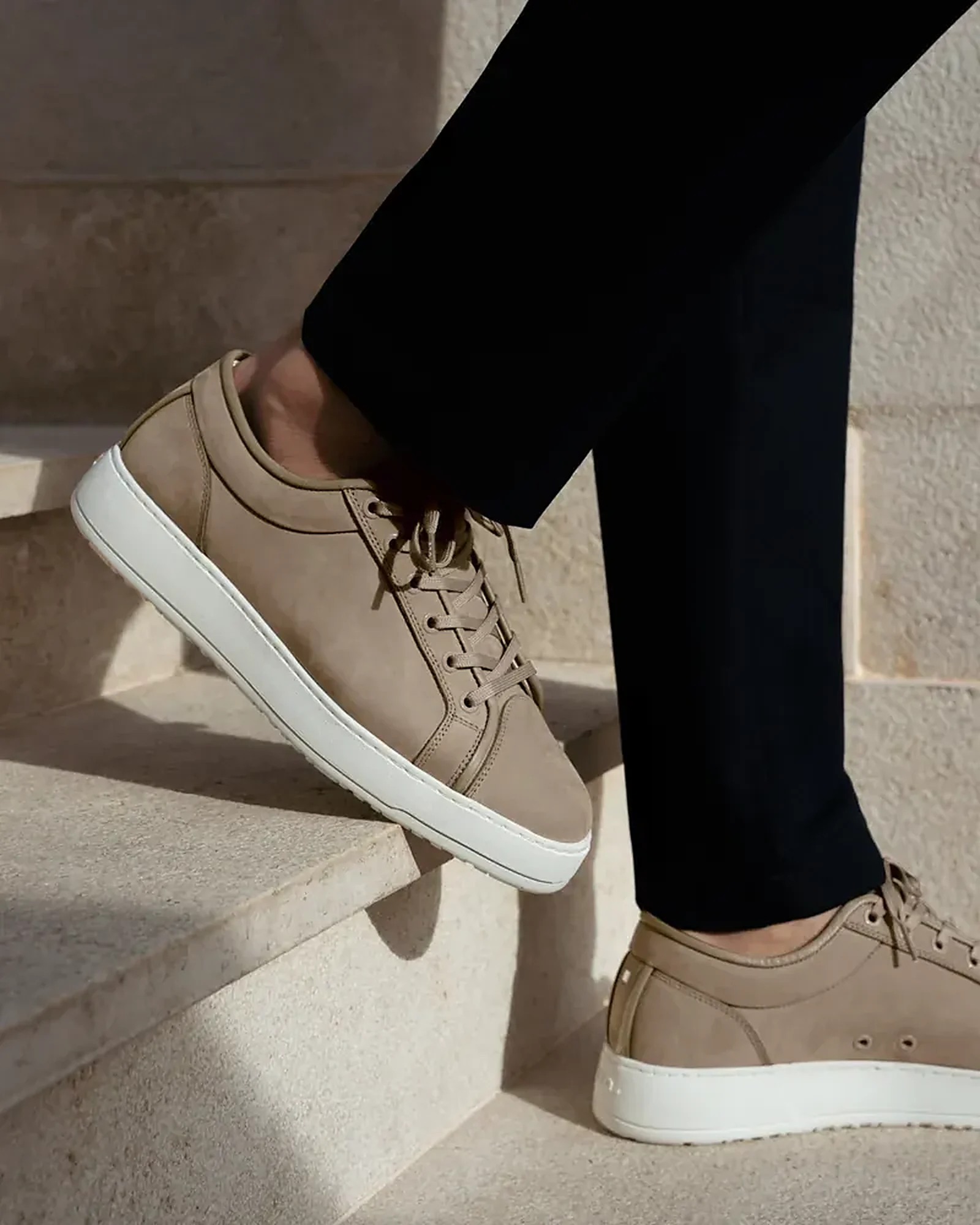
Own brand · Shopify · 12 languages
30 sec
per product translated, was 15 minutes
The complete store in 12 languages, in its own tone of voice.
Products, collections, pages and FAQ. From ~100 hours to ~3 hours per catalog. No agency, no freelancers.
“It used to take weeks to launch a product because we were waiting for translations. Now that happens in a morning.”
Arjan Spakman · ETQ Amsterdam - Content & translation

Own brands · together €35M online, run rate 2026
6 FTE
for €35 million online, annual run rate 2026
Two brands, one operation, 6 FTE.
Profit per channel and country every morning, for better budget decisions. Stock and purchasing on the same screen. The work others hire a team for, Optivate does overnight.
- Optivate OS
- Stock & purchasing
Own brands · round prices per market
+€150–250k
extra margin a year (estimate), ETQ and TOV combined
The LT 01: £249. Not £211.63.
A round, local price in every market instead of a converted amount. More margin on every order, and the brand looks local in every country.
- Pricing & margin
Own brand · Shopify · returns
40% → 25%
returns on one loafer
One product photo, 15 percentage points fewer returns.
A loafer came back 4 out of 10 times. In the morning, Optivate showed the reason: the color looked different than in the photo. After color-accurate photos and more detail shots: now 1 in 4.
- Customer service
How it works · Optivate OS
By country
and by channel: every morning, where you make money and where you don't
How we know every morning what each country earned yesterday.
Which numbers come in every night, how we check them against the source, and what's ready in the morning: profit by channel and country, returns with a reason and an action, and what you approve.
- Optivate OS
How it works · Content & translation
12 languages
updated every night, in the brand's own tone of voice
How we translate 400+ products into 12 languages, and keep them current.
Every night, see what's new or changed. Translate shared texts once. Capture the tone of voice once, and every correction by a native speaker becomes a rule.
- Content & translation
How it works · Stock & purchasing
Per variant
the latest safe order date, per location
How we reorder for the Netherlands and our UK warehouse.
Every night, sales and stock per variant and location, against the supplier's lead time. What isn't moving gets an action, and the order list is ready to send to your supplier.
- Stock & purchasing
Finally
In 30 minutes, you'll know if it's a fit.
First a conversation: we talk through how you run your operation today, look at where you can save time and get more return, and show you in a demo how Optivate does that. Then a tailored proposal and a 14-day trial. Free, and if it's not a fit, we'll say so.

Leave your details. Enrico gets in touch within one working day. In the call you meet Yannick, who builds Optivate. Or send a message